
Best baby lotion for newborns(Pediatrician Recommended)
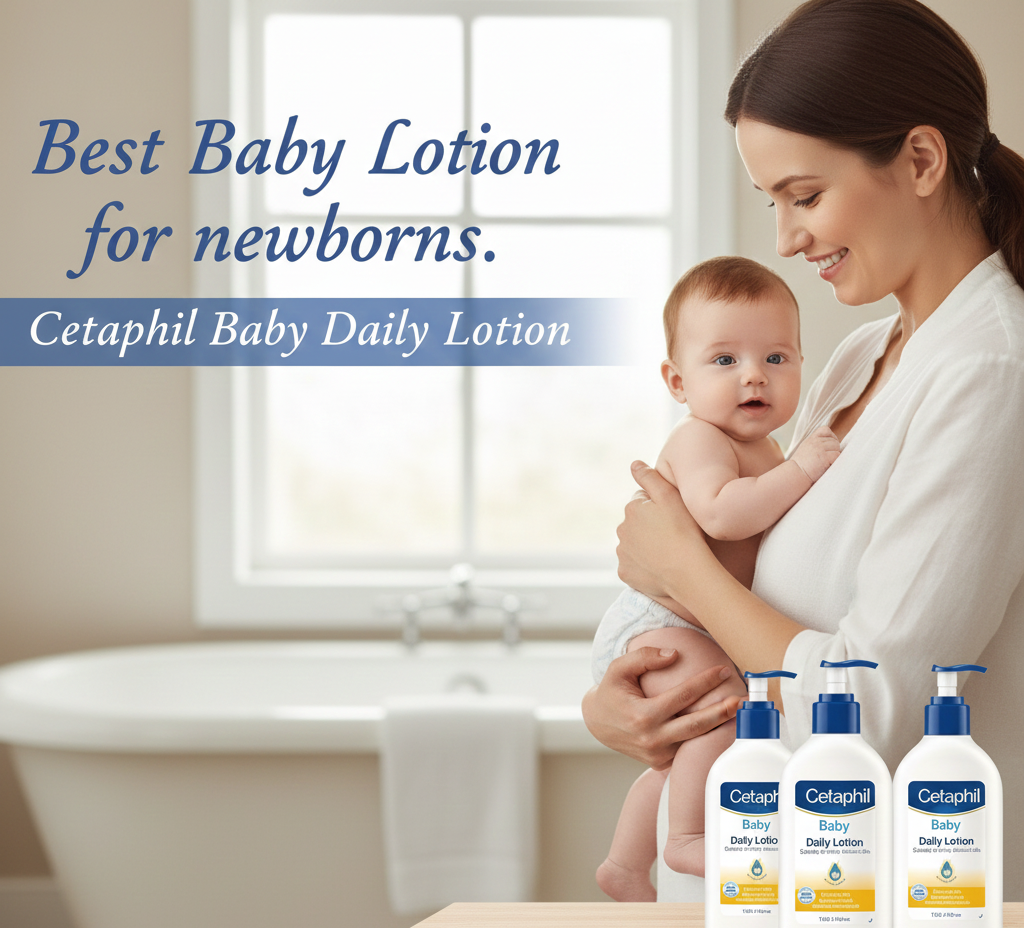
Dermatologist & Pediatrician Recommended Baby Lotions
New parents want nothing but the best for their baby’s delicate skin. Your newborn’s skin is incredibly thin and sensitive, making the choice of baby lotion more important than you might think.These baby lotions are easily available in India through pharmacies, online marketplaces, and pediatric clinics. Many Indian pediatricians recommend fragrance-free and dermatologically tested lotions for newborn skincare due to India’s hot and humid climate.
This guide is designed for expectant parents and new moms and dads who want to protect their little one’s skin from day one. We’ll walk you through why newborn skin needs special care and what ingredients to look for in safe, effective baby lotions. You’ll also discover pediatrician-recommended products and learn how to choose the perfect lotion for your baby’s unique skin needs. As a parent-focused research website, we analyzed pediatric guidelines, dermatologist recommendations, and real parent reviews across India to shortlist baby lotions that are safe for newborns from day one. While every baby’s skin is unique, our goal is to help parents make informed, doctor-backed choices.
Why Newborn Skin Requires Special Lotion Care

Understanding Delicate Newborn Skin Barriers
Newborn skin is remarkably thinner than adult skin—about 40-60% thinner, to be exact. This paper-thin barrier lacks the robust protective layers that develop over time, making it incredibly vulnerable to moisture loss and environmental irritants. The stratum corneum, which acts as your skin’s natural shield, hasn’t fully matured in babies, leaving them prone to dryness and sensitivity.
Your baby’s skin also has a higher pH level compared to adult skin, typically ranging from 6.5 to 7.5 instead of the ideal acidic 5.5. This alkaline environment creates the perfect conditions for harmful bacteria to flourish while weakening the skin’s natural defense mechanisms. The sebaceous glands that produce protective oils are also underdeveloped, leaving newborn skin without adequate natural moisturization.
Common Newborn Skin Problems(Dry, Skin, Eczema, Rashes)
During those precious early weeks, several skin concerns frequently appear that can worry new parents. Cradle cap affects nearly 70% of newborns, creating scaly, flaky patches on the scalp and sometimes spreading to the face and neck. Baby acne often emerges around 2-4 weeks, caused by maternal hormones still circulating in your baby’s system.
Eczema strikes about 20% of infants, appearing as red, itchy patches that can become raw from scratching. Diaper rash remains one of the most persistent issues, with nearly every baby experiencing it at some point. Dry, flaky skin is almost universal in newborns as they transition from the moist womb environment to dry air.
Heat rash becomes problematic when babies overdress or experience humid conditions, while contact dermatitis can develop from exposure to fragrances, dyes, or harsh chemicals found in everyday products.
How Regular Adult Lotions Can Harm Babies
Adult skincare products contain ingredients that can severely damage your baby’s delicate skin barrier. Fragrances, even those labeled as “natural,” can trigger allergic reactions and contact dermatitis in sensitive newborn skin. Alcohol-based ingredients strip away essential moisture and disrupt the already fragile acid mantle.
Parabens and sulfates, common preservatives in adult lotions, can cause irritation and have been linked to hormonal disruption in developing babies. Essential oils like lavender, tea tree, and eucalyptus—while beneficial for adults—can be too potent for newborn skin and may cause burns or allergic responses.
Adult formulations also tend to be too heavy and occlusive for baby skin, potentially clogging pores and leading to milia or baby acne. The pH levels in adult products often range from 7-9, which disrupts the natural acidic environment babies need to develop healthy skin barriers.
Benefits of Using Specialized Baby Formulas
Baby-specific lotions undergo rigorous testing to ensure they’re gentle enough for developing skin. These formulations typically maintain a pH between 5.5-7, supporting the natural development of your baby’s acid mantle. They’re free from common allergens like fragrances, dyes, and harsh preservatives that can trigger reactions.
Specialized baby lotions contain gentle, naturally-derived ingredients like ceramides that help rebuild and strengthen the skin barrier. Many include prebiotics that support the development of healthy skin microbiome, creating an environment where beneficial bacteria can thrive while harmful microorganisms are kept at bay.
The lightweight, fast-absorbing textures of quality baby lotions provide essential hydration without overwhelming delicate pores. They’re specifically designed to work with your baby’s natural skin renewal process, supporting healthy development rather than disrupting it. Many pediatrician-recommended formulas also include ingredients like colloidal oatmeal or shea butter that provide anti-inflammatory benefits for common newborn skin irritations.
Natural moisturizers that nourish without irritation
Ceramides stand as one of the most important ingredients for newborn skin protection. These naturally occurring lipids help restore and maintain the skin’s protective barrier, which is particularly fragile in babies. Baby lotions containing ceramides work by filling in the gaps between skin cells, creating a smooth, protective layer that locks in moisture while keeping irritants out.
Shea butter offers exceptional moisturizing properties without causing reactions in sensitive skin. This natural fat extracted from African shea tree nuts provides deep hydration while remaining gentle enough for daily use. Unlike synthetic alternatives, shea butter contains vitamins A and E, which support skin health and healing.
Colloidal oatmeal deserves special recognition for its dual benefits. This finely ground oat powder not only moisturizes but also soothes irritated skin. Many pediatric dermatologists recommend oatmeal-based lotions for babies with eczema or other skin conditions because of its anti-inflammatory properties.
Glycerin acts as a humectant, drawing moisture from the environment into the skin. This ingredient works particularly well when combined with heavier moisturizers, creating a balanced formula that hydrates without feeling greasy or heavy on delicate baby skin.
Jojoba oil mimics the skin’s natural sebum, making it an ideal choice for baby products. This lightweight oil absorbs quickly and provides long-lasting moisture without clogging pores or leaving residue on clothing.
Ingredients to Avoid in Baby Lotion for Newborns
Parabens top the list of ingredients to avoid when selecting baby lotions. These preservatives, including methylparaben, propylparaben, and butylparaben, have been linked to hormone disruption and skin sensitivities. Many manufacturers now offer paraben-free alternatives that maintain product safety without these controversial chemicals.
Phthalates, often hidden under the generic term “fragrance,” pose serious concerns for developing babies. These chemicals help fragrances last longer but can interfere with hormonal development. Always choose products that specifically state “phthalate-free” or list all fragrance components individually.
Sodium lauryl sulfate (SLS) and sodium laureth sulfate (SLES) create foaming action in many personal care products but can strip natural oils from baby’s delicate skin. These harsh detergents often cause dryness, redness, and irritation, making them unsuitable for newborn care.
Formaldehyde-releasing preservatives like DMDM hydantoin and quaternium-15 should never appear in baby products. These chemicals can trigger allergic reactions and have been classified as potential carcinogens by health organizations.
Mineral oil, while not necessarily harmful, can clog pores and prevent the skin from breathing naturally. Plant-based oils provide better moisturizing benefits without the risk of pore blockage.
Hypoallergenic and fragrance-free formulations
Hypoallergenic formulations undergo extensive testing to minimize allergic reactions, though no product can guarantee zero allergic potential. These lotions typically exclude common allergens like nuts, dairy proteins, and synthetic dyes. Look for products that have been clinically tested on sensitive skin and bear certifications from reputable dermatological organizations.
Fragrance-free doesn’t always mean scent-free. Some products may still have a mild odor from their natural ingredients, but they don’t contain added synthetic fragrances or essential oils that could trigger sensitivities. True fragrance-free products list ingredients without terms like “parfum” or “fragrance” in their components.
pH-balanced formulations match the natural acidity of baby skin, typically ranging from 5.5 to 6.5. This slightly acidic environment supports the skin’s natural protective barrier and helps prevent bacterial overgrowth that can lead to diaper rash and other skin issues.
Tear-free formulations ensure that accidental contact with eyes won’t cause stinging or irritation during application. These gentle formulas use mild surfactants and avoid harsh ingredients that could damage sensitive eye tissue.
Products labeled as “pediatrician-tested” or “dermatologist-recommended” have undergone professional evaluation for safety and effectiveness on infant skin. These endorsements provide additional confidence in product selection for nervous new parents.
How to Choose the Perfect Lotion for Your Baby’s Unique Needs
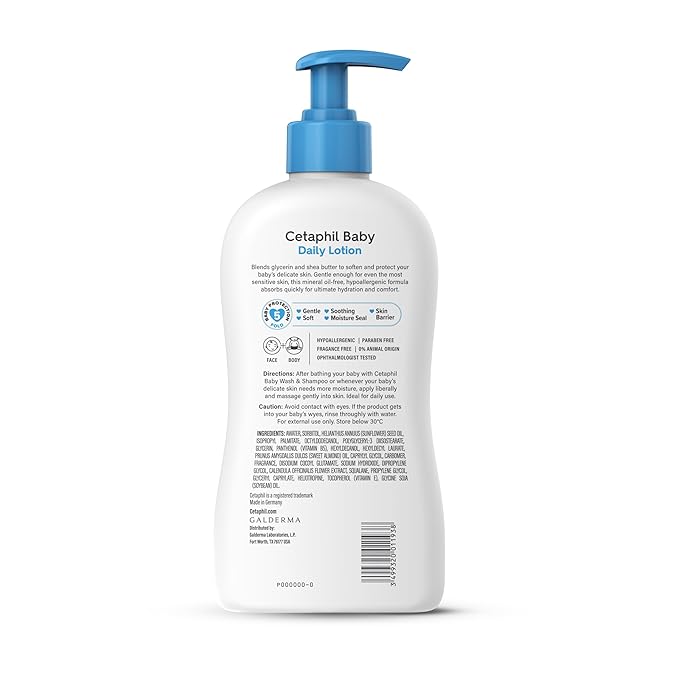
Identifying your baby’s specific skin type
Every baby’s skin tells a different story. Some newborns arrive with perfectly smooth, soft skin that seems flawless, while others might have dry patches, sensitivity to certain fabrics, or even mild conditions like eczema. Understanding your little one’s unique skin characteristics helps you pick the right lotion from the start.
Watch for signs of dryness like flaking, rough patches, or areas that look slightly white or ashy. These spots often appear on elbows, knees, and cheeks first. If your baby’s skin feels tight after bath time or shows red, irritated areas, they likely have sensitive or dry skin that needs extra gentle care.
Babies with normal skin maintain their soft texture without much intervention, but still benefit from light moisturizing to prevent dryness. Those with oily skin (yes, it happens!) might develop tiny whiteheads or seem to have a slight sheen, especially in the T-zone area.
Take note of any family history of skin conditions. If you or your partner deal with eczema, allergies, or sensitive skin, your baby might inherit similar tendencies. Document any reactions your baby has to different products, fabrics, or environmental changes – this information becomes invaluable when selecting skincare products.
Reading labels like a pro parent
Product labels contain crucial information, but they can feel overwhelming when you’re sleep-deprived and shopping with a fussy baby. Start with the ingredient list – shorter lists usually mean fewer potential irritants. Look for lotions labeled “fragrance-free” rather than “unscented,” since unscented products might still contain masking fragrances.
Avoid products containing these common irritants: sulfates, parabens, phthalates, formaldehyde, and artificial dyes. Steer clear of lotions with alcohol (often listed as ethanol or isopropyl alcohol) high on the ingredient list, as these can dry out delicate skin.
Search for beneficial ingredients like ceramides, which help repair the skin barrier, or colloidal oatmeal, known for its soothing properties. Shea butter, coconut oil, and glycerin provide excellent moisturizing benefits without causing reactions in most babies.
Pay attention to certifications and endorsements. Products approved by the National Eczema Association or those that are dermatologist-tested offer additional peace of mind. “Pediatrician recommended” labels indicate the product has been evaluated by medical professionals who specialize in children’s health.
Check expiration dates and storage recommendations. Some natural lotions require specific storage conditions or have shorter shelf lives than conventional products.
Testing new products safely before full use
Smart parents always test before they fully invest in a new lotion routine. Start with a patch test on a small area of your baby’s skin – the inner forearm or behind the ear works well. Apply a tiny amount and wait 24-48 hours to see if any redness, bumps, or irritation develops.
During the testing period, avoid introducing other new products that might confuse the results. If your baby shows any negative reaction during the patch test, discontinue use immediately and consult your pediatrician if the reaction persists or worsens.
Once the patch test passes, try using the lotion on one small area for several days before applying it all over. This gradual approach helps you catch any delayed reactions while limiting exposure if problems arise.
Keep a simple log of products you test, including brand names, specific reactions, and dates. This record becomes incredibly helpful when discussing skincare with your pediatrician or when shopping for new products later. Take photos of any reactions to show your doctor if needed.
Remember that a baby’s skin can change as they grow, so a product that works perfectly at two months might cause issues at six months. Regular reassessment of your chosen products ensures your baby’s skin stays healthy and comfortable as they develop.
Best Baby Lotions for Newborns in India
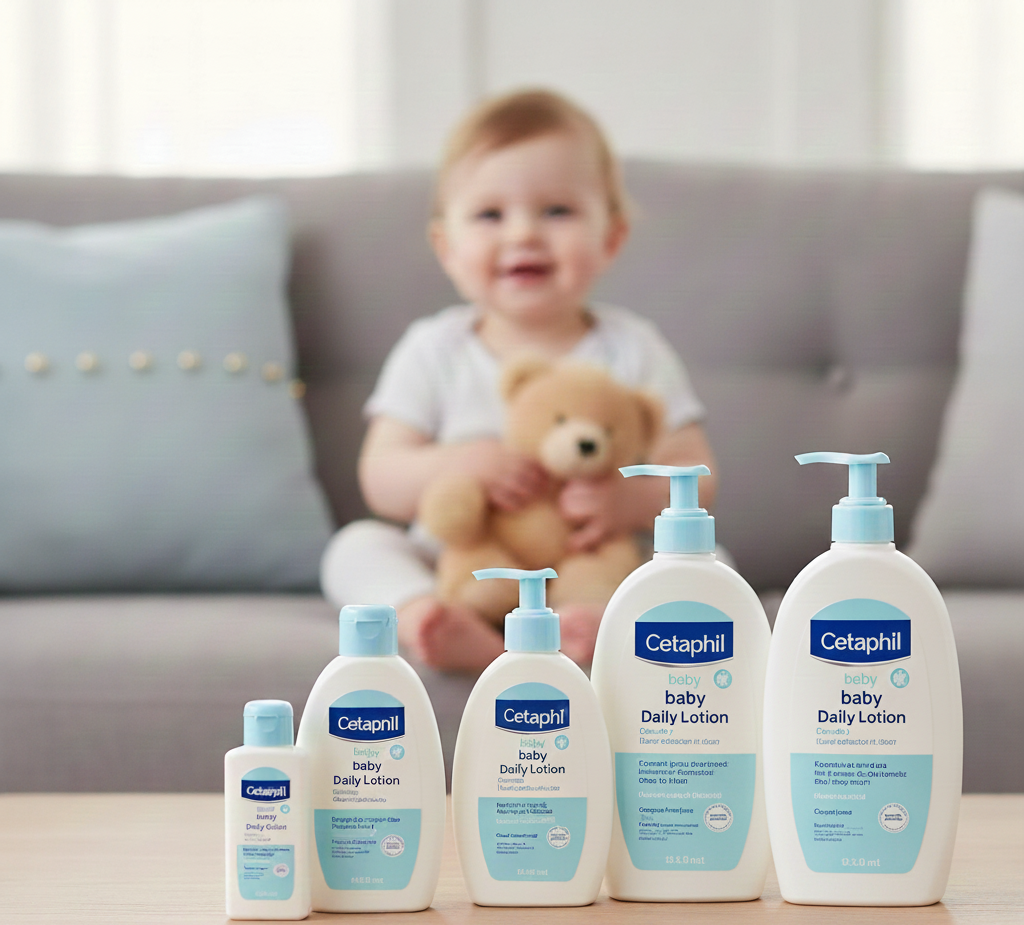
| Baby Lotion | Best For | Fragrance-Free | Pediatrician Recommended | Buy |
| Cetaphil Baby Lotion | Sensitive Skin | Yes | Yes | Check Price |
| Cerave Baby Lotion | Dry Skin | Yes | Yes | Check Price |
| Aveeno Baby Lotion | Severe Dryness | Yes | Yes | Check Price |
| Eucerin Baby Eczema Relief | Eczema Skin | Yes | Yes | Check Price |
| Honest Baby Lotion | Natural Skin | Yes | Partial | Check Price |
Gentle daily moisturizers for sensitive skin
Pediatricians consistently recommend Cetaphil Baby Lotion as their top choice for daily newborn care. This fragrance-free formula contains three essential ceramides that match the natural lipids found in baby’s skin barrier, plus hyaluronic acid for gentle hydration. The pump bottle design makes one-handed application easy during diaper changes.
Aveeno Baby Daily Moisture Lotion ranks second among pediatric specialists for its colloidal oatmeal formula that soothes and protects delicate skin. The lightweight texture absorbs quickly without leaving a greasy residue, making it perfect for daily head-to-toe application.
Johnson’s Baby Lotion remains a trusted choice with its mild, tear-free formula that’s been pediatrician-tested for over 125 years. The classic baby scent is subtle and hypoallergenic, while the gentle ingredients provide 24-hour moisture protection.
Therapeutic lotions for dry or irritated areas
For babies dealing with eczema or persistent dry patches, Eucerin Baby Eczema Relief Body Cream offers targeted relief with its colloidal oatmeal and ceramide blend. Pediatric dermatologists praise its ability to calm flare-ups while strengthening the skin barrier.
Mustela Stelatopia Emollient Cream specifically targets atopic-prone skin with sunflower oil distillate and bioceramides. This rich formula helps restore the skin’s natural protective barrier and reduces the frequency of eczema episodes.
Aquaphor Baby Healing Ointment works as a protective barrier for severely dry or cracked skin areas. Its petrolatum-based formula creates a seal that allows skin to heal naturally while preventing further moisture loss.
Organic and natural options for chemical-conscious parents
Honest Company Baby Lotion delivers plant-based hydration with organic coconut oil, shea butter, and chamomile extract. The formula avoids parabens, sulfates, and synthetic fragrances while maintaining the effectiveness standards pediatricians expect.
Babyganics Daily Lotion combines organic ingredients like sweet almond oil and cocoa butter with a patented NeoNourish seed oil blend. The pump bottle dispenses a smooth, non-greasy lotion that absorbs quickly into newborn skin.
Earth Mama Organic Baby Lotion features organic calendula, vanilla, and sweet orange oils in a USDA-certified organic base. The gentle formula soothes sensitive skin while providing natural antimicrobial protection.
Budget-friendly choices that deliver premium results
Many trusted Indian pharmacies and online stores offer quality baby lotions that are gentle and pediatrician-approved. Cetaphil Baby Lotion is one of the most widely recommended options by Indian pediatricians due to its fragrance-free, hypoallergenic formula designed specifically for sensitive newborn skin. Cetaphil baby products are easily available across Amazon India, Flipkart, Apollo Pharmacy, and leading medical stores throughout the country, making them a reliable and accessible choice for daily newborn skincare.
Target’s Up&Up Baby Lotion provides excellent value with its fragrance-free, hypoallergenic formula that rivals premium brands in moisturizing effectiveness. The large 18-ounce bottles offer exceptional cost per ounce.
Walmart’s Parent’s Choice Baby Lotion delivers gentle, pediatrician-approved care at budget prices. The tear-free formula contains the same key ingredients found in premium options but costs significantly less per application.
Proper Application Techniques for Maximum Benefits
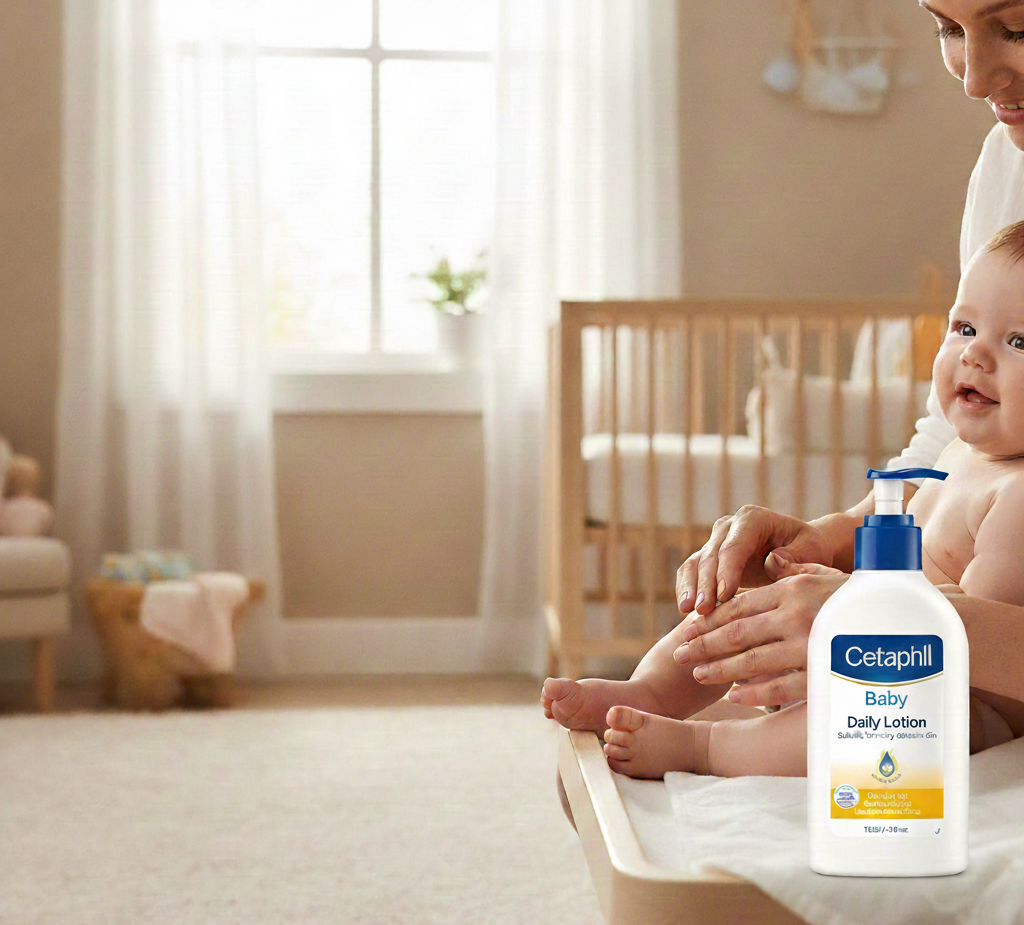
When and How Often to Apply Baby Lotion
The timing of lotion application plays a crucial role in maintaining your newborn’s skin health. Apply baby lotion immediately after bath time while your baby’s skin is still slightly damp. This helps lock in moisture and creates a protective barrier against dryness. For most newborns, once-daily application after their evening bath works perfectly.
During colder months or in dry climates, you might need to apply lotion twice daily – morning and evening. Watch for signs that your baby needs more frequent applications: dry patches, flaking skin, or areas that feel rough to the touch. Some babies with particularly sensitive skin may benefit from light applications every diaper change, especially around the diaper area where irritation commonly occurs.
Avoid over-applying lotion, as this can clog pores or create a sticky feeling that might make your baby uncomfortable. A thin, even layer that absorbs within a few minutes is all you need.
Gentle Massage Methods That Promote Bonding
Transform lotion time into a special bonding experience through gentle massage techniques. Start with clean, warm hands and a small amount of lotion. Begin at your baby’s feet, using light circular motions with your fingertips. Work your way up the legs, applying gentle pressure that feels like a soft caress rather than a firm massage.
For the torso, use smooth, sweeping motions from the center outward. Talk softly or sing to your baby during this time – your voice provides comfort and security. Make eye contact when possible, as this strengthens your emotional connection.
When massaging your baby’s arms, gently roll them between your palms, then use your thumbs to trace small circles on their palms and the backs of their hands. This technique often soothes fussy babies and can help them relax before sleep.
Keep the room comfortably warm during lotion application to prevent your baby from getting cold. If your baby seems overstimulated or fussy, simplify the routine to just gentle, straight strokes rather than circular motions.
Areas That Need Special Attention and Care
Certain areas of your newborn’s body require extra care and attention during lotion application. The diaper area needs frequent moisturizing due to constant exposure to wetness and potential irritants. Apply a thin layer of gentle, fragrance-free lotion after each diaper change, but avoid the immediate genital area.
Pay special attention to skin folds where moisture can get trapped and cause irritation. These include the neck creases, under the arms, behind the ears, and between fingers and toes. Gently separate these folds and apply a small amount of lotion, then pat dry to prevent moisture buildup.
The face requires the most delicate approach. Use only lotions specifically formulated for facial use, or skip facial application altogether if your baby’s face isn’t showing signs of dryness. When you do apply facial lotion, avoid the eye area entirely and use the smallest possible amount.
Elbows, knees, and heels tend to get dry quickly and may need extra attention. These areas can handle slightly more lotion than other parts of the body. Check your baby’s scalp regularly too – while you won’t apply body lotion here, dry scalp patches might indicate your baby needs overall moisture adjustments in their skincare routine.
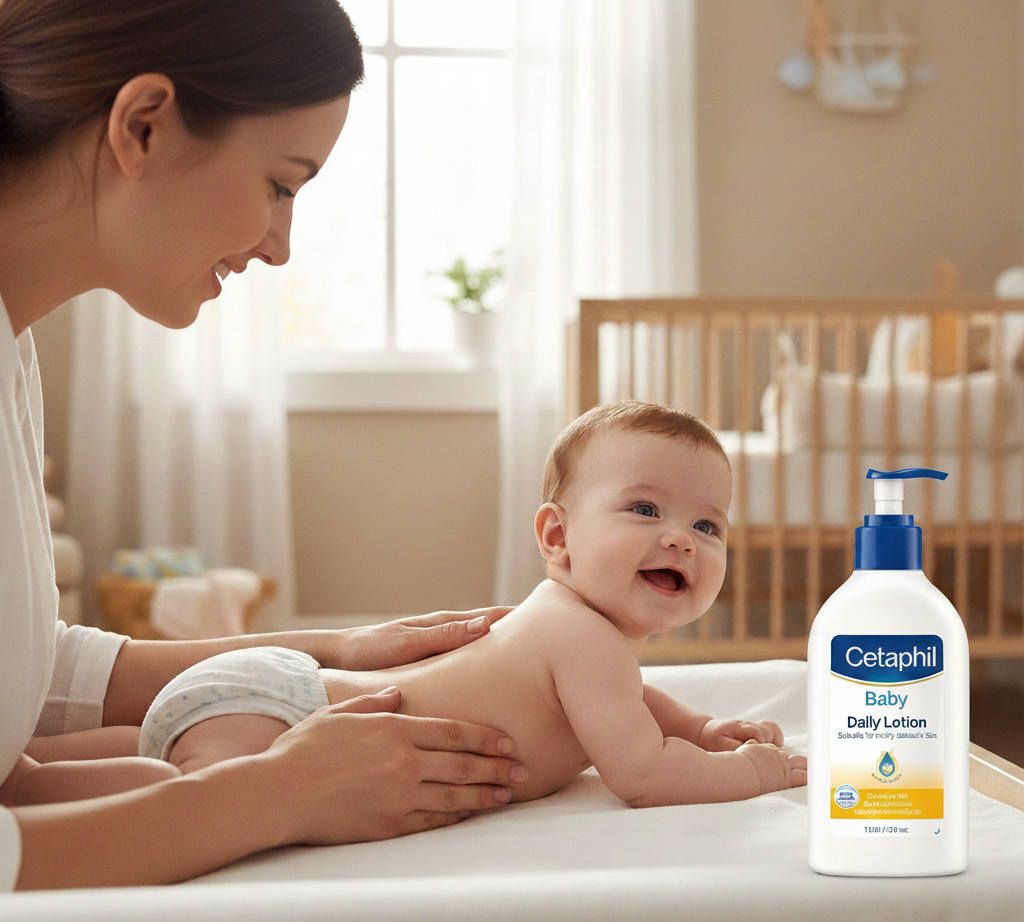
Newborn skin deserves the gentlest care possible, and choosing the right baby lotion makes all the difference in keeping your little one comfortable and healthy. From understanding why babies need special formulations to identifying safe ingredients like ceramides and natural oils, you now have the knowledge to make an informed decision. The pediatrician-recommended brands we’ve covered offer proven safety records and effective moisturizing properties that work well for most babies.
Remember that every baby’s skin is different, so what works for one might not work for another. Start with fragrance-free, hypoallergenic options and always do a patch test before full application. Apply lotion to slightly damp skin using gentle, circular motions for the best absorption. Trust your instincts as a parent – if something doesn’t seem right for your baby’s skin, don’t hesitate to switch products or consult your pediatrician for personalized recommendations.
Frequently Asked Questions (FAQs)
- Can I use baby lotion daily on a newborn?
Yes. Pediatrician-recommended, fragrance-free baby lotions are generally safe for daily use on newborns. Applying lotion once a day, especially after bath time, helps maintain moisture and protect delicate skin from dryness.
- Which baby lotion is best for eczema-prone newborns?
Pediatricians often recommend Cetaphil Baby Moisturising Lotion for eczema-prone newborns because it is fragrance-free, gentle, and designed for sensitive skin. Its mild formulation helps support the skin’s natural moisture barrier and reduce dryness.
- Is fragrance-free lotion safe for newborns?
Yes. Fragrance-free lotions are considered safer for newborns as they lower the risk of skin irritation and allergic reactions. They are especially suitable for babies with sensitive or eczema-prone skin.
- Can adults use baby lotion?
Yes. Adults with sensitive or dry skin can safely use baby lotion. Baby lotions are formulated to be gentle and moisturizing, making them suitable for all age groups.